
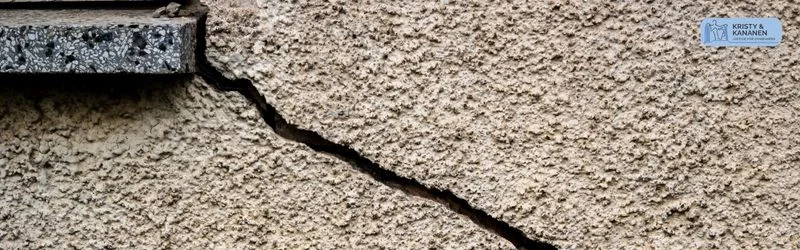

You just closed on a new build in Hawthorne, or you’re about to, and something is nagging at you. The walls are fresh, the paint still smells new, and yet you keep wondering what’s underneath. Hidden construction defects rarely announce themselves at the final walkthrough.
South Bay soil, tight building schedules, and production framing all raise the odds that something got missed before the punch list was signed off. California law gives new-home buyers real protection against this. Kristy & Kananen can help you figure out whether what you’re seeing is cosmetic or something the builder is legally required to fix. Reach out before you sign anything from the builder.
Key Takeaways
- California’s Right to Repair Act gives builders a defined set of performance standards to meet, not just a vague promise of quality.
- Soil movement and water intrusion are defects that could surface months after a South Bay closing, not on move-in day.
- Builders get a mandatory window to inspect and offer repairs before a lawsuit can move forward, and what you document during that window matters later.
- Most defect claims run on a 10-year clock from substantial completion, though some components carry shorter deadlines.
- Waiting to report a suspected defect can shrink your options even while the clock is still running.
What Counts as a Hidden Defect Under California Law?
A hidden, or latent, defect is damage or a code violation a reasonable buyer would not catch during a normal walkthrough. It is the kind of thing that only shows up after move-in, such as cracking, staining, or a system failure. That’s different from a patent defect, which is obvious at closing.
Under Civil Code section 896, a new home has to meet dozens of specific performance standards, covering everything from roof flashing to slab foundations. Once a component fails one of those standards, it counts as a defect even before anyone can point to visible damage.
Why South Bay Soil Raises the Stakes for New Construction
Hawthorne sits on the same shelf of marine terrace ground that runs down through El Segundo, Redondo Beach, and San Pedro. This ground carries clay-rich subsoil that swells when wet and shrinks when dry. Builders are supposed to grade, compact, and engineer footings around that movement before a single wall goes up. A slab poured over improperly compacted clay can look flawless for a year, then start showing up through cracked drywall and doors that stick for no obvious reason.
The Builder’s Right to Repair Before You Can Sue
Before you can file a lawsuit over a construction defect in California, the Right to Repair Act gives the builder a structured chance to inspect and fix the problem first. This process runs on real deadlines, and missing one can weaken an otherwise strong claim. A hidden construction defects attorney can walk you through each step so nothing slips.
Sending Notice
You start the clock by sending the builder written notice describing every defect you’ve found, in enough detail that they can locate and evaluate it. You can send it by certified mail, overnight mail, or hand delivery. Certified mail with a return receipt is a good way to prove exactly when the builder got it, which matters later.
The Builder’s Response Window
Once notice goes out, the builder has a set number of days to acknowledge it and request an inspection. Silence on their end doesn’t stop your case. It just changes what happens next.
Repair or Move Forward
If the builder offers a reasonable repair and you turn it down without cause, you can lose part of your claim later. If the repair is inadequate or never happens, you keep the right to pursue the rest of your damages.
Signs You’re Dealing With More Than Cosmetic Damage
Some problems deserve a second look before you assume they’re normal settling.
- Doors or windows that stick or won’t latch the way they did at closing
- Cracks in drywall or stucco that keep widening instead of staying the same size
- A musty smell or staining near a wall with no obvious water source
- Standing water near the foundation after rain that used to drain fine
How Long You Have to Act After You Notice a Problem?
Most claims under the Right to Repair Act have to be filed within 10 years of when the home was substantially complete. However, a handful of components carry much shorter windows. For example, noise transmission between homes carries just a one-year window. Others, like electrical systems, have a four-year window. That gap catches people off guard, since a slow plumbing leak and a failed smoke detector can run on completely different clocks.
Frequently Asked Questions
Does a home warranty replace my rights under the Right to Repair Act?
No, it doesn’t. A builder’s warranty is a private promise, and it usually expires faster and covers less than what state law requires. If your warranty runs out or gets denied, you could still have a claim under the Act.
What if the builder blames my HOA or a subcontractor for the problem?
That happens all the time, and it doesn’t get the builder off the hook. Under state law, the builder is generally responsible for the work of every subcontractor it hired. Your notice can still name the builder even if a sub actually poured the slab.
How much does it cost to bring a claim like this?
Most construction defect attorneys, ours included, take these cases on contingency, so you won’t pay out of pocket to get started. There are no attorney fees unless your case is successful. Ask for a written fee agreement up front.
Can I still make a claim if I already paid to fix part of the problem myself?
Yes, in most cases you can. Keep every receipt, photo, and contractor estimate you have, since that paperwork often becomes some of the strongest evidence later.
What happens if the builder isn’t in business anymore?
You may still have options through the builder’s license bond or insurance carrier. It’s worth having someone check the license history before you assume there’s nothing left to recover.
Kristy & Kananen: A South Bay Construction Defect Law Firm
You came here because something about your new home doesn’t sit right, and that instinct is worth trusting. Kristy & Kananen has spent years digging into soil reports and builder contracts across the South Bay, helping homeowners recover settlements. We look closely at your situation before we send a notice, so you know what it might take to get it fixed. If what you’re seeing turns out to be more than cosmetic, the sooner you reach out, the more options you keep. Contact our firm today and we’ll help you sort out the rest.